

1. Experience connecting the work behind the website
A brochure website and an operational system are different scopes. The second may need to pass a lead into the correct pipeline, preserve the source of an inquiry, notify the right person and avoid creating a second record when an event repeats. A polished page cannot demonstrate those capabilities on its own.
For a US home-services company, IXM completed an operations project that included Odoo CRM custom modules, lead capture and customer portal logic, alongside CallRail, Twilio, Slack, Zapier, Google Cloud and Apps Script integrations. Dashboards and handoff documentation were part of that work.
This is the distinction to look for when comparing partners: relevant integration experience, a clear understanding of your process and a plan for what happens when a connection fails. We do not claim that other developers cannot do this. We show the work we have done.
2. Specific client projects you can inspect
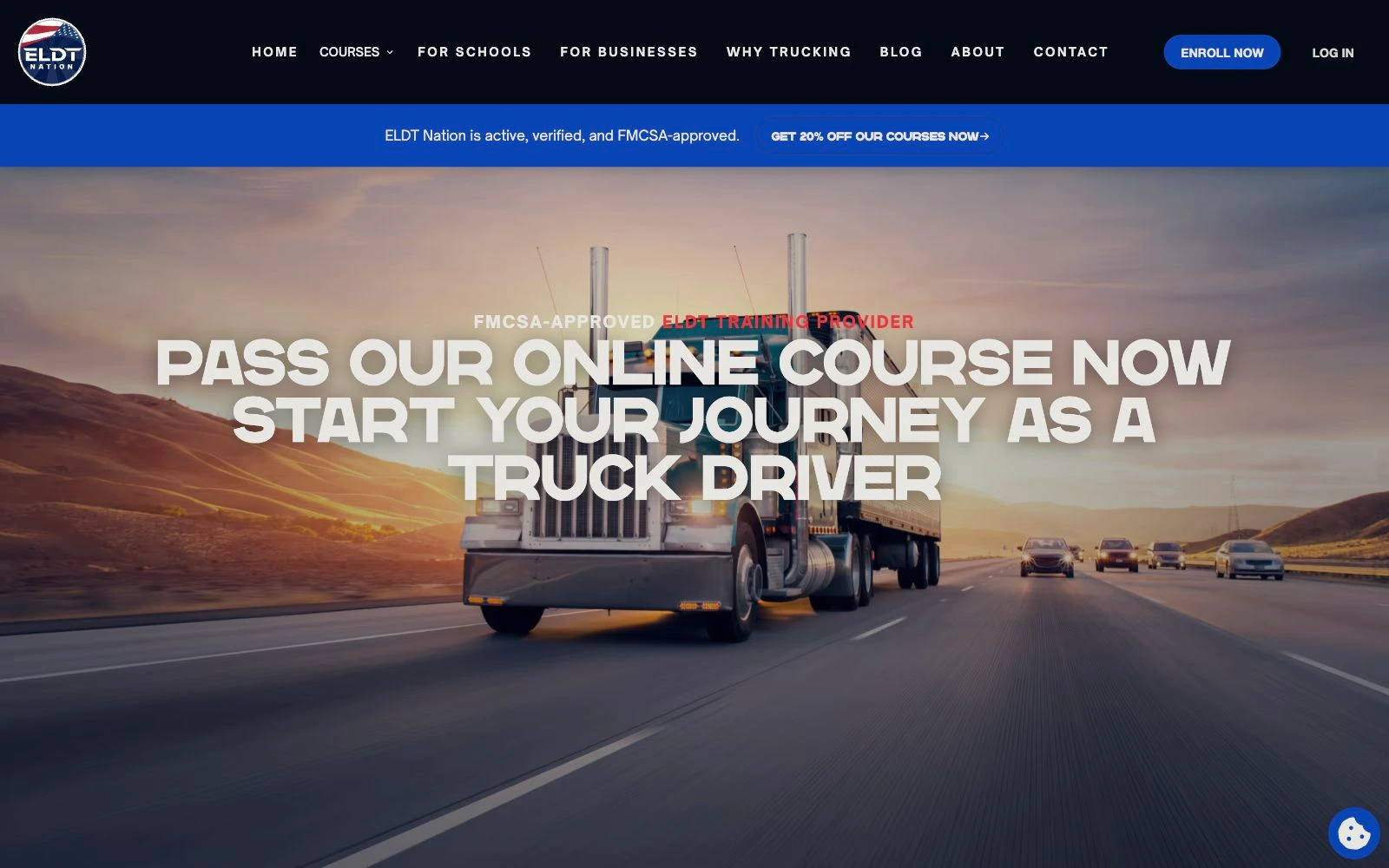
For ELDT Nation, IXM supported a custom website, Kajabi course setup and onboarding automation, plus Google Cloud Run workflows that moved operational information into Google Sheets. The project also included successful-student submission workflows tied to score thresholds, tracking, DNS and Cloudflare management. That scope reaches beyond the course sales page into the work required after enrollment.
Work for a US financial-services sales team is another example: connected forms, calendar routing, Salesforce workflows and follow-up around incoming sales requests. Together, these projects show why it helps to discuss the entire customer journey before deciding which pages or automations to build.
The ELDT Nation case study below describes that scope in detail; some clients prefer that their names stay private, and we can walk you through comparable work on a call. These are examples of IXM’s experience, not promises that your business will achieve the same result or needs the same technology.
3. Google reviews that you can read yourself
On September 21, 2026, IllusionX Media Limited’s public Google profile showed a 5.0 rating from 34 reviews. Ratings and counts can change; the profile link below is the place to check the current record.
Kyle Mahadeo’s review praises both the automation work and website design. Nathan Wills describes responsiveness and a team that listened to his needs. Dmitri Mohammed describes commissioning a website for his law practice with specific restrictions. These are useful perspectives on different parts of the service, rather than a substitute for checking the scope of your own project.
Look for comments about communication, problem-solving and support as well as appearance. Then ask us for the most relevant public example for the work you need.
4. A Trinidad-based partner for local and US businesses
For a Trinidad and Tobago business, the discussion might start with website development, an online store, a booking process or less manual administration. We ask which customer channels, payment providers and internal tools you actually use before recommending a build. Availability, provider eligibility and integration limits need to be checked for your situation.
For a US business working with IXM remotely, the same discipline applies. Agree on meeting times, milestones, access and a handover process before implementation. Our home-services, financial-services and course-business projects provide examples to discuss when assessing whether that working arrangement fits your team.
Location matters, but relevant experience and a workable communication process matter too. Tell us where your team operates and what hours your workflow needs support; we can agree on the scope rather than assume around-the-clock coverage.
5. Start with the problem, then agree on the build
You do not need a custom application for every task. Sometimes the useful change is a clearer form, a corrected CRM workflow or one reliable integration. Other projects need a dashboard, portal or custom service because the existing tools cannot represent the process well.
An IXM proposal should make the boundaries clear: what will be delivered, what access is needed, which third-party subscriptions you will pay for, how the work will be tested and what support follows handover. Ask those questions before accepting any proposal, including ours.
A good starting brief is simple: what happens now, where it breaks, which systems are involved and what a successful outcome would look like. We can use that to identify a practical first step.
Questions to ask before choosing a website and automation partner
Can you work with our current CRM? Share its name, subscription level and the workflow you need. Integration options depend on available APIs, permissions and the data involved; the answer should follow a review of those constraints.
How much will the project cost? Page count alone is not enough to price integration work. Data cleanup, access, custom logic, testing and ongoing support affect the scope. Ask for an itemized proposal with third-party costs identified.
Who owns the accounts and what happens after launch? Agree on account ownership, source files, documentation and support responsibilities in writing. Request a handover that another qualified person could understand.
Is IXM a fit for a website-only project? Yes—our work includes customer-facing websites as well as connected systems. The reason to consider the wider experience is that you can discuss what happens after someone clicks, submits a form or purchases, when that is relevant to your business.
Quick audit
- Ask for a completed project with a similar workflow, not just the same industry.
- Read the current Google reviews and inspect the public case studies.
- Confirm scope, access, account ownership and recurring costs.
- Agree on testing, documentation, handover and support responsibilities.
- Send IXM a short description of your tools, bottleneck and desired outcome.
Sources used